
Interest in holotropic breathwork training is rising in Canada, and Vancouver has become a hub for it. The city’s openness to wellness practices, availability of experienced facilitators, and growing demand for non-ordinary state exploration make it an ideal place to begin.
If you’re attending your first session, you may feel both excited and uncertain. What will it feel like? Is it safe? How do you prepare? This guide answers those questions by sharing five insights that will help you step into your first session with confidence.
Holotropic Breathwork Vancouver: What to Expect on Arrival
Intake, consent, and safety screening
Every session begins with paperwork and a short conversation. Facilitators ask about your health history — cardiovascular conditions, neurological concerns, or significant psychiatric diagnoses may mean modifications or, in some cases, that breathwork isn’t recommended. Full honesty keeps you safe.
The room setup
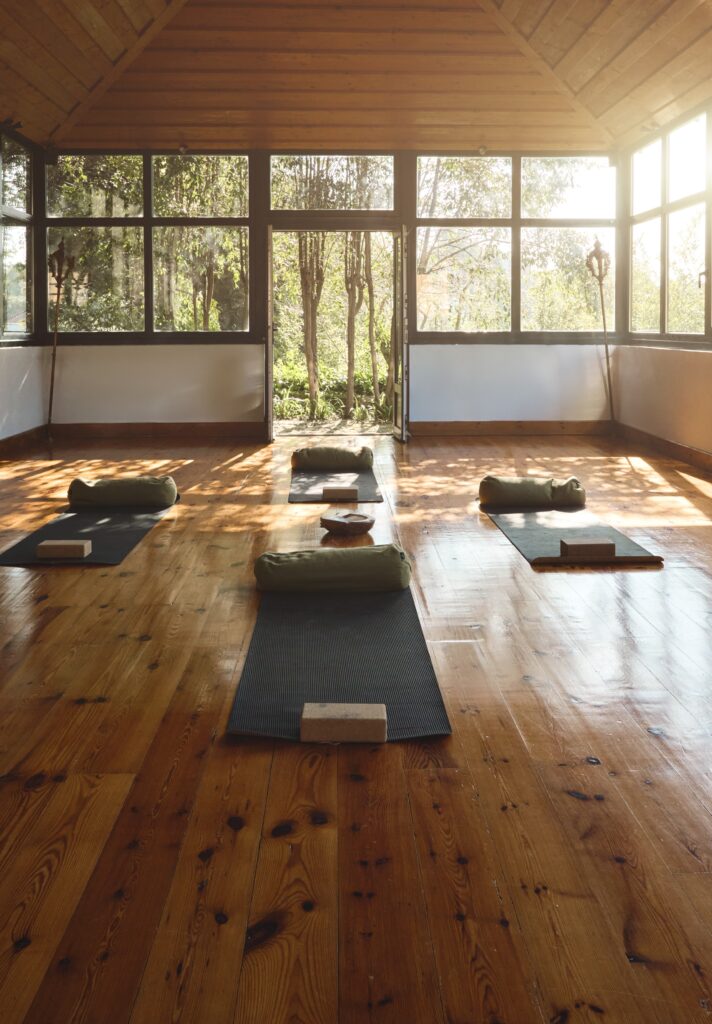
Expect a calm, open space with mats, blankets, pillows, and low light. Music equipment will be ready. You’ll usually work in pairs — one as the breather and one as the “sitter.” The sitter’s role is to offer quiet support, while facilitators monitor the group.
Arrival tips
- Wear loose, comfortable layers.
- Eat a light meal a few hours before.
- Bring water and a journal.
- Clear your schedule afterward.
Insight 1 — Clear Intentions and a Safe Container
You don’t need a perfect goal, but setting an intention helps guide your session. Simple examples include: “I want to release tension” or “I’m open to what I need to learn.”
Ground rules set by facilitators
- You are always in control.
- Consent is required for any physical support.
- Expression is welcome — sound, movement, or stillness are all valid.
Why this matters
A safe, structured container reduces anxiety and allows you to surrender into the process, knowing you are supported.
Insight 2 — What the Breathing Journey Feels Like
The breathwork itself uses faster, deeper breathing patterns paired with evocative music. This combination shifts your state of awareness.
What you may experience
- Tingling or vibration in the body
- Temperature changes or muscle tension
- Waves of emotion such as grief, joy, or anger
- Visual imagery, memories, or symbolic stories
- A sense of timelessness or deep presence
Reactions differ for everyone, and no two sessions are the same.
In-the-moment grounding tips
- Focus on longer exhales if intensity builds.
- Place hands on your chest or stomach to feel grounded.
- Press feet into the mat and orient to the room.
- Signal to your sitter or facilitator if you need support.
For a helpful overview of what holotropic breathwork involves, see this Verywell Mind guide.
Insight 3 — Your Facilitator’s Toolkit
Facilitators are highly trained to ensure safety. Their role isn’t to direct your experience but to hold steady space.
Tools they use
- Music arcs: carefully chosen tracks that rise and fall with the session.
- Breath cues: prompts to deepen or slow your rhythm.
- Presence: non-judgmental observation, staying calm even when participants express intense emotion.
When they may intervene
- If you show signs of hyperventilation or distress.
- If your movements become unsafe for you or others.
- If you ask to pause, slow down, or stop.
Facilitators model grounded presence — a key skill you’ll later learn if you choose to continue into holotropic breathwork training.
Insight 4 — Integration Starts as Soon as You Finish
When the music fades, your journey is only half complete. Integration is the process of weaving insights into daily life.
Immediately afterward
- Rest on your mat until you feel steady.

- Drink water and eat something light.
- Journal your impressions, even just a few words.
Within 24–72 hours
- Choose grounding practices: walking, yoga, or stretching.
- Share your experience with a trusted peer or group.
- Watch your dreams and mood shifts, noting them in your journal.
- Avoid making major life decisions until you’ve had time to process.
Integration prompts
- What did I learn about my body’s wisdom?
- What emotions surfaced, and how can I honour them?
- What small action can I take this week to embody what I experienced?
Insight 5 — How Training Supports Your Next Steps
A first session can spark interest in going deeper — not just as a participant but as a future facilitator.
What training adds
- Structured learning in ethics, safety, and trauma-informed care.
- Practicum hours where you learn to hold space.
- Guidance on integration techniques and referral pathways.
From participant to facilitator
Many people begin with a personal session and later join facilitator training to expand their skills. This can be a stand-alone path or a stepping stone toward adjacent fields like psychedelic therapy support.
To see how training could fit your path, review the Certifications page.
Quick Prep Checklist for Your First Session
Before your session
- Complete intake and disclose health conditions.
- Choose one simple intention.
- Wear comfortable clothing and eat lightly.
During your session
- Breathe deeply and consistently.
- Allow emotions and sounds to move freely.
- Use grounding cues if intensity rises.
After your session
- Rest, hydrate, and journal.
- Share with your group if offered.
- Plan a quiet evening to integrate.
Important Notes, Safety, and Scope
Holotropic breathwork can be powerful, but it isn’t for everyone. People with cardiovascular disease, epilepsy, pregnancy, or certain psychiatric conditions may be advised against participating. Always consult with a healthcare professional and discuss concerns with your facilitator before attending.
Sessions are designed for personal growth and are not substitutes for therapy or medical treatment.
Call to Action
Ready to experience Holotropic Breathwork in Vancouver?
- Visit our Certifications page to see training options.
- Have specific questions about your first session? Contact us and our team will guide you.
FAQs
Is Holotropic Breathwork safe for beginners?
Yes, with screening and trained facilitators. Always disclose health conditions and follow guidance.
How long is a session?
Most last 2–3 hours, including intake, breathing, and integration.
Do I need prior experience?
No. First-timers are welcome. Openness and honesty are what matter most.
What should I bring?
Comfortable clothing, water, a journal, and an open mind.
Will I lose control?
You remain in charge. You can slow down or stop at any time. Facilitators track your safety.
How does this connect to training?
Your first session gives you a live example of structure, consent, and integration — skills central to facilitator training.
Is it therapy?
No. Holotropic breathwork is a personal growth practice and does not replace licensed therapy or medical treatment.