

Grief is one of the most universal yet deeply personal experiences, touching every human life at some point. Yet for many, the process of grieving feels isolating, overwhelming, and often impossible to fully move through. While traditional therapeutic approaches can provide substantial relief, a growing field of research suggests that psychedelic therapy may offer a uniquely powerful avenue for addressing unresolved grief. By combining ancient traditions with modern neuroscience, psychedelic-assisted therapy introduces a profound opportunity to transform the way we understand and heal from loss.
This blog explores the intersection of grief healing and psychedelic therapy, detailing the mechanisms, emotional breakthroughs, and integration techniques that make this approach revolutionary for those navigating the complexities of bereavement.
The Neurobiology of Grief and Psychedelics
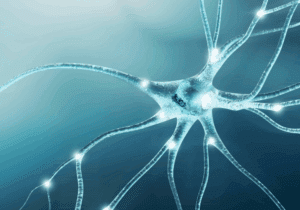 Grief is not merely an emotional state; it is deeply wired into our brain’s biology. Studies on neurobiology reveal that grief affects systems related to memory, connection, and even physical sensations. The amygdala, known for regulating emotional responses, becomes hyperactive, flooding the mind with distressing memories of loss. Meanwhile, the prefrontal cortex, which is responsible for logical thinking and emotional regulation, often becomes subdued, making clear reasoning and self-regulation of emotions more difficult during the grieving process. These disruptions create the psychological fog, emotional volatility, and profound sadness commonly associated with grief.
Psychedelics, particularly substances like psilocybin and MDMA, interact with the brain on a level that directly counters some of these disruptions. Psilocybin works by stimulating serotonin 2A receptors, increasing connectivity between brain regions that typically operate in isolation. This allows individuals to form new emotional associations, break free from repetitive cycles of rumination, and foster a greater sense of interconnectedness. MDMA, on the other hand, increases oxytocin and reduces activity in the amygdala, creating physiological conditions for reduced fear and enhanced emotional openness. By addressing these neurological imbalances, psychedelics provide a fertile ground for grief processing that traditional methods often struggle to achieve.
What sets psychedelics apart is their ability to bypass ingrained defence mechanisms, helping individuals access parts of their subconscious that the conscious mind actively suppresses. For someone in the throes of grief, this can offer a rare opportunity to confront and process the most painful aspects of their loss without feeling entirely overwhelmed. This doesn’t diminish the pain of mourning but rather allows for healing that begins deep within the brain’s most fundamental emotional pathways.
Psychedelics as Catalysts for Emotional Breakthrough
One of the most extraordinary effects of psychedelics is their capacity to catalyze significant emotional breakthroughs. Grief often becomes compounded by imprisonment within repetitive patterns of emotion, thought, and memory. For instance, someone grieving the loss of a loved one may find themselves endlessly replaying a final conversation, focusing on unspoken words or perceived mistakes. Psychedelics disrupt this cycle by providing a sense of detachment that allows the individual to reframe their understanding of these events with clarity, self-compassion, and insight.
Many who undergo psychedelic-assisted therapy describe their experiences as profoundly emotional and cathartic. Vivid visualizations and heightened sensory perceptions create a mental space for individuals to directly engage with their emotions in a way that feels tangible and immediate. For example, someone might experience a vivid encounter with the deceased, allowing them to say the words they never could or simply feel a sense of connection that transcends physical loss. Such experiences are not merely symbolic; they often lead to measurable changes in emotional well-being and mental clarity.
The emotional breakthroughs enabled by psychedelics are not limited to a one-time revelation. Rather, they set the stage for long-term healing. By untangling the emotional knots and deeply ingrained regrets that can linger in grief, psychedelics act as a catalyst for redefining the relationship to loss. While the pain of grief never fully disappears, these breakthroughs can transform the pain into a source of learning, compassion, and even appreciation for the time and connection shared with the deceased.
Psychedelic-Assisted Therapy: A Safe Container
Despite the profound potential of psychedelics in transforming grief, the experience can be deeply challenging without the right context. Psychedelic-assisted therapy is designed to provide the safe, guided container necessary for these journeys to be both impactful and grounded. This approach typically involves guided sessions with a trained therapist who understands both the emotional depths of grief and the nuances of psychedelic medicine.
Safety is the primary focus of any psychedelic-assisted therapy session. Therapists foster a supportive environment tailored to the individual’s emotional needs, ensuring that the vulnerability opened by the medicine is met with care and expertise. Pre-session planning allows participants to set their intentions and prepare mentally, while post-session integration involves guided reflection on the experience to translate insights into actionable changes for everyday life.
The therapeutic container also mitigates risks such as distressing experiences or psychological overwhelm. During a session, the therapist helps the individual stay grounded while navigating challenging memories or emotions. By providing a sense of safety, they create an atmosphere where individuals feel comfortable enough to fully surrender to the process. This surrender often becomes the key to unlocking breakthroughs that might otherwise remain inaccessible when people cling to feelings of fear or resistance.
Furthermore, legal and ethical considerations are strictly adhered to in licensed psychedelic-assisted therapy. Therapy sessions occur within regulated environments, with thorough medical and psychological screenings tailored to ensure each participant’s safety and readiness for such an emotionally intense process. For those experiencing grief that feels insurmountable, this structured approach can provide the reassurance needed to fully engage with the process in a way that ensures long-lasting benefits.
Personal Transformation and Integration
 While the in-session experience of using psychedelics for grief healing can be revelatory, the real work begins after the session ends. Integration is the process through which individuals take the insights and emotional breakthroughs from their psychedelic journeys and apply them to their daily lives. Without proper integration, even the most profound psychedelic experiences risk losing their potential to create real, lasting change.
The integration process typically involves structured discussions with therapists, journaling to explore emotions and insights, and creating action plans to weave new perspectives into one’s life. For many grieving individuals, this can involve re-evaluating their relationships, cultivating a deeper appreciation for the present moment, and gaining resilience in the face of future losses. Integration is the bridge between the emotional intensity of a psychedelic experience and meaningful, grounded personal transformation.
Perhaps one of the most profound aspects of the integration phase is the cultivation of self-compassion. Many grieving individuals carry feelings of guilt, regret, or inadequacy. Psychedelics open the door to understanding these emotions from a new perspective, often replacing self-criticism with a sense of forgiveness and acceptance. Through integration, these shifts become enduring parts of one’s emotional framework.
Lastly, integration is not just an individual process. Many therapy programs encourage participants to engage with a community of fellow grievers who have explored psychedelic-assisted healing. Sharing stories and insights with others who have walked the same path fosters a deeper connection to humanity and reduces the isolation often felt during grief. The act of grieving, once isolating, becomes communal and even restorative.
The intersection of psychedelic therapy and grief healing represents an emerging frontier in mental health. With their profound ability to facilitate emotional breakthroughs, reframe deeply entrenched thought patterns, and foster long-term transformation, psychedelics offer a remarkable new tool for navigating grief. While the pain of loss remains an inevitable part of life, psychedelic-assisted therapy reminds us that there is light beyond even the darkest chapters.
For individuals and mental health professionals alike, the potential of this field calls for both cautious exploration and great optimism. With proper guidance, integration, and community support, psychedelic therapy may hold the key to helping countless individuals find healing on their path. If you’re ready to explore this new frontier in grief therapy, reach out to Grof Psychedelic Training Academy for more resources or to connect with experts in the field.